Introduction to Philips Avent Natural Plastic Baby Feeding Bottle
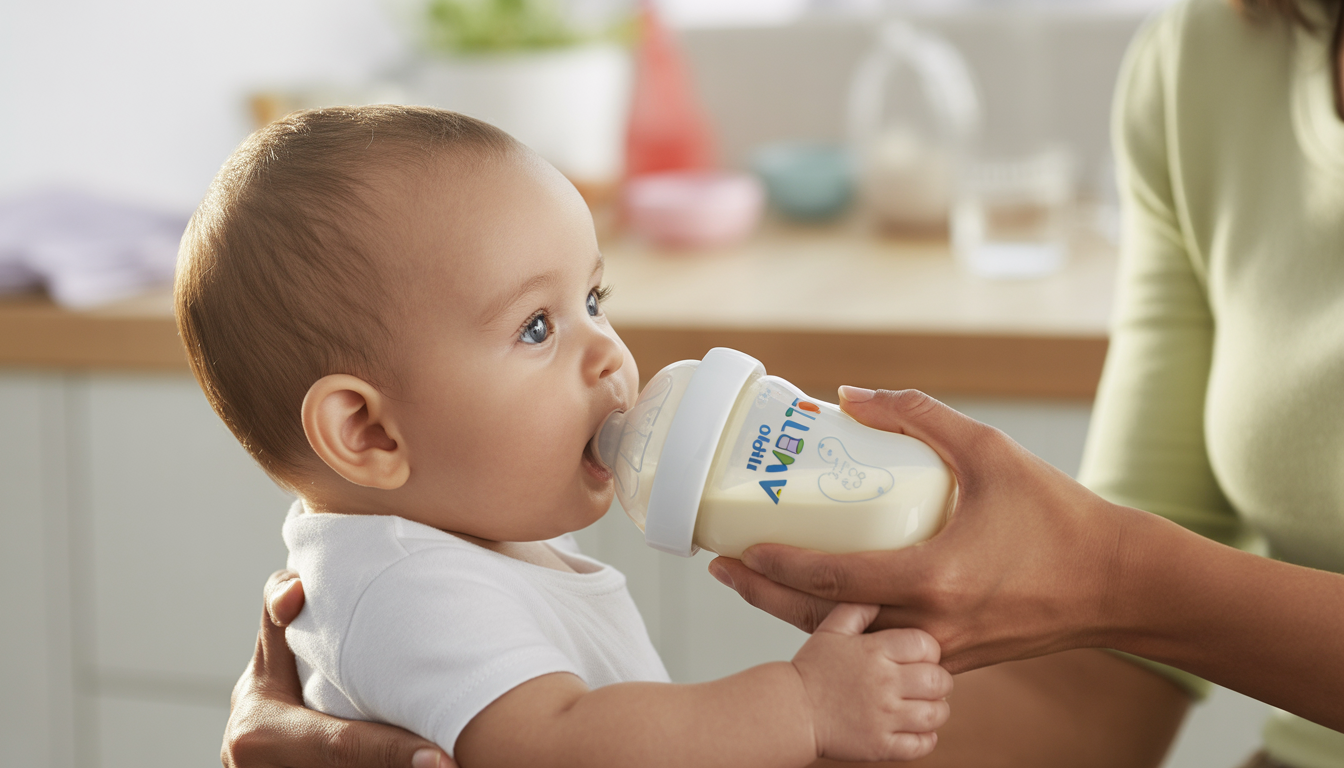
The Philips Avent Natural Plastic Baby Feeding Bottle has earned its esteemed position as the number one choice among moms around the globe. Recognized for its high-quality design and functionality, this feeding bottle is crafted to support a smooth transition between breastfeeding and bottle feeding. Designed with the needs of both babies and parents in mind, the Avent bottle aims to make feeding time a comfortable and enjoyable experience.
Selecting the right feeding bottle is crucial for new parents, as it can significantly affect an infant’s feeding routine and overall satisfaction. Factors such as bottle material, nipple shape, and flow rate play a significant role in ensuring that babies have a positive feeding experience. The Philips Avent line is particularly designed to meet these requirements, featuring a unique nipple shape that promotes natural latch-on. This design mimics the breast, providing infants with a familiar experience that helps minimize confusion when switching between breast and bottle.
The usage of BPA-free plastic in these bottles ensures that they are safe for your little one, promoting health and hygiene during feeding sessions. Furthermore, the bottles come in various sizes, which allows parents to choose according to their baby’s feeding needs over different stages of growth. This versatility is one of the many reasons why the Philips Avent Natural Plastic Baby Feeding Bottle stands out among numerous available options, providing both assurance and comfort for mothers and fathers alike.
In the following sections, this guide will delve deeper into the various features and benefits of the Philips Avent Natural Plastic Baby Feeding Bottle, showcasing how it can effectively serve as a trusted breastfeeding companion for new families.


Key Features of Philips Avent Natural Feeding Bottle
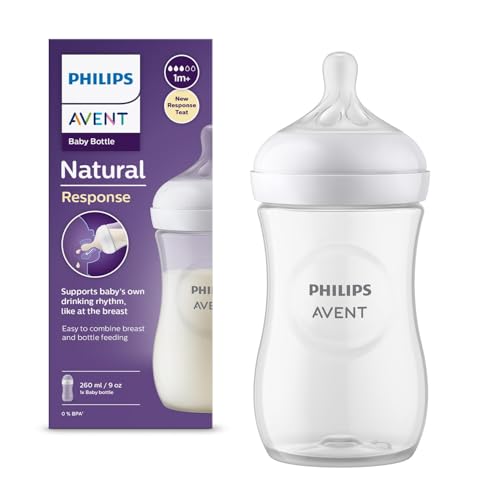
The Philips Avent Natural Baby Feeding Bottle is designed with several key features that seamlessly cater to both infants and their parents. At the core of its design is the natural response technology, which helps to mimic the natural breastfeeding experience. This innovative approach allows the baby to control the flow of milk, thereby promoting a comfortable and intuitive feeding experience. As a result, infants can latch on and feed as they would during breastfeeding, easing the transition between breast and bottle.
One of the standout characteristics of this feeding bottle is its uniquely designed nipple. The nipple is wide and has a soft, curved shape, which helps encourage a natural latch. This design reduces the chances of confusion between breast and bottle feeding. In addition to being functional, the nipple is available in various flow rates, catering to the differing needs of growing infants. This adaptability ensures that parents can choose the appropriate nipple for their baby’s developmental stage, enhancing comfort during feeding.
Furthermore, the Philips Avent Natural Feeding Bottle is engineered with easy cleaning in mind. Its wide neck design allows parents to clean the bottle thoroughly without hassle, and it is dishwasher safe for added convenience. Additionally, the bottle can be sterilized easily, a crucial feature for maintaining hygiene and ensuring a safe feeding environment for the baby.
Finally, the materials used in manufacturing the Philips Avent Natural Feeding Bottle are carefully selected to prioritize safety. Made from high-quality, BPA-free plastic, these bottles ensure that no harmful chemicals leach into the milk, providing peace of mind for parents. Overall, the combination of these key features positions the Philips Avent Natural Feeding Bottle as a reliable companion for both breastfeeding and bottle-feeding journeys.
Natural Response Technology Explained
The Philips Avent Natural Plastic Baby Feeding Bottle incorporates an innovative feature known as Natural Response Technology. This technology is designed to closely imitate the experience of breastfeeding, providing a more seamless transition for babies who alternate between bottle feeding and breastfeeding. One of the primary mechanics of this technology lies in its unique nipple design, which enables babies to control the flow of milk, just as they would during breastfeeding.
During breastfeeding, infants can adjust their sucking patterns to manage the intake of milk, and the Natural Response Technology replicates this action. Rather than a constant flow of milk, this mechanism allows the milk to be released only when the baby actively sucks. As a result, this simulates the natural rhythm and pace found in nursing, fostering a sense of familiarity for the baby.
The valve in the nipple is particularly important; it opens only with suction. This feature helps to prevent excess air from being ingested, a common issue that can lead to discomfort or colic in babies. By closely following the baby’s instincts, Natural Response Technology not only encourages an intuitive feeding pattern but also supports the baby’s developmental needs, promoting a natural feeding experience.
This thoughtful design can significantly ease the transition from breast to bottle, allowing parents to feel more confident in their feeding choices. Moreover, by mimicking the dynamics of breastfeeding, Philips Avent aims to enhance the bonding experience between the parent and child during feeding, underpinning the importance of nurturing through both breastfeeding and bottle feeding.
The Unique Nipple Design
The Philips Avent Natural Plastic Baby Feeding Bottle is designed with a unique nipple that closely mimics the natural shape of a mother’s breast. This innovative design enhances the breastfeeding experience for both mothers and infants. The nipple’s broad and flexible shape means that it allows for a comfortable latch, resembling the breastfeeding process. This familiarity can help ease the transition between breast and bottle for many babies.
One of the standout features of this nipple is its textured surface, which aids in promoting a natural feeding action. The texture encourages the baby’s oral muscle development, fostering better suckling. Furthermore, the design incorporates a special valve that releases milk only when the baby is actively sucking. This means that the infant must engage in a natural suction motion to receive milk, thus promoting a similar experience to breastfeeding.
This design aspect not only supports the baby’s natural feeding instincts but also minimizes the risk of nipple confusion. Such confusion can sometimes arise when transitioning from breastfeeding to bottle feeding, particularly if bottle nipples are not designed thoughtfully. By prioritizing the baby’s needs and promoting an innate feeding behavior, the Philips Avent nipple design stands out in the realm of baby feeding solutions.
In summary, the unique nipple design of the Philips Avent Natural Baby Feeding Bottle is integral to its function as a breastfeeding companion. Through its thoughtful shape, texture, and milk release mechanism, the bottle serves to support the natural feeding habits of infants, making it an effective tool for parents aiming to provide a seamless feeding experience.
Benefits for Newborns (0+ Months)
The Philips Avent Natural Plastic Baby Feeding Bottle is meticulously designed to provide a range of benefits specifically tailored for newborns from birth onward. One of the primary advantages of using this bottle is its ability to promote healthy feeding habits. The unique design closely mimics the natural shape of the breast, facilitating a smooth transition between breastfeeding and bottle feeding. This natural flow not only encourages the infant to latch on securely but also helps in developing their sucking reflex effectively.
Another critical benefit is the potential to prevent colic, a common issue among infants that leads to excessive crying and discomfort. The Philips Avent Natural Bottle incorporates an advanced anti-colic valve located at the base of the nipple. This feature allows air to enter the bottle instead of being swallowed by the baby, significantly reducing the likelihood of gas build-up in their tiny tummies. By mitigating colic symptoms, this bottle contributes to a more peaceful feeding experience for both the baby and parents.
Furthermore, the gentle feeding experience offered by the Philips Avent Natural Bottle is particularly advantageous for sensitive newborn stomachs. The soft, wide nipple of the bottle is designed to be both flexible and comfortable, allowing for an easy latch. This design ensures that the baby is fed gently without added strain during feeding times. The ease with which the baby can feed promotes relaxation, making it more likely that they will engage in feeding without becoming overly distressed.
In essence, the Philips Avent Natural Plastic Baby Feeding Bottle serves as an exceptional tool for enhancing the feeding experience for newborns, ensuring their comfort while also promoting healthier feeding habits and reducing colic incidences.
Why Moms Recommend Philips Avent
Philips Avent is a brand that has consistently received positive feedback from mothers across the globe, primarily due to its commitment to creating products that support both feeding routines and the overall experience of motherhood. Many moms appreciate the natural feel provided by the Philips Avent Natural Plastic Baby Feeding Bottle, which closely resembles breastfeeding, allowing for a smoother transition between breast and bottle.
One of the standout features that mothers often highlight is the soft, flexible nipple designed to mimic the breast. This characteristic helps in reducing bottle rejection, allowing babies to feed comfortably. Multiple testimonials emphasize that this aspect enhances their babies’ feeding experience, making parents feel reassured and confident during feeding times. The ease of use is another area where moms commend Philips Avent. The wide neck design of the bottle simplifies the cleaning process, ensuring that every feeding session remains hygienic and straightforward.
Furthermore, many mothers have shared their satisfaction with the various flow options available, catering to the different stages and preferences of their infants. This adaptability is pivotal, as it allows parents to select the most suitable flow rate for their child’s development, ensuring a more enjoyable feeding regimen. In addition, the lightweight, BPA-free plastic material of the bottle is often mentioned as a crucial benefit, ensuring not only the safety of their children but also making it easy for parents to carry the bottles during outings.
Overall, the combination of user-friendly design, safety, and the nurturing aspect of the Philips Avent Natural Bottle significantly contributes to why many mothers endorse it as an essential tool in their breastfeeding journeys. Each positive experience adds to the growing community of parents who recognize and value the balance between convenience and natural feeding practices provided by Philips Avent.
Cleaning and Maintenance Tips
Maintaining the Philips Avent Natural Plastic Baby Feeding Bottle is crucial for both hygiene and longevity. Proper cleaning ensures that each feeding session is safe for your baby, while regular maintenance helps preserve the bottle’s materials and effectiveness. Follow these steps for optimal care.
Sterilization Methods: To effectively sterilize your Avent baby feeding bottles, you can choose between several methods. Boiling is a traditional approach; simply place the disassembled bottles in boiling water for five minutes to kill harmful bacteria. Alternatively, you may opt for electric steam sterilizers designed specifically for baby products. These methods efficiently sanitize the bottles, providing peace of mind.
Proper Disassembly for Washing: Before washing, ensure that the bottle is fully disassembled. Remove the nipple, collar, and any other detachable components. Cleaning these separate parts allows for a more thorough wash and prevents milk residue buildup that could harbor bacteria. Use warm, soapy water for hand washing, utilizing a bottle brush for hard-to-reach areas. Each component should be rinsed thoroughly with clean water following the wash.
Regular Care Tips: To prolong the life of your Philips Avent baby feeding bottle, it is advisable to check for any signs of wear, such as scratches or discoloration, which can indicate that it’s time for replacement. Avoid using abrasive cleaners or brushes that can damage the plastic. Instead, rely on gentle cleaning solutions designed for baby products. Additionally, store the bottles in a clean, dry place to prevent contamination after cleaning.
Following these cleaning and maintenance tips will ensure that your Philips Avent Natural Plastic Baby Feeding Bottle remains in optimal condition, ready for use at every feeding. This methodical approach to care not only safeguards your baby’s health but also enhances the bottle’s durability, serving as a reliable breastfeeding companion.
Comparing Philips Avent with Other Brands
When evaluating baby feeding bottles, the Philips Avent Natural Feeding Bottle stands out among its competitors, such as Dr. Brown’s, Medela, and Tommee Tippee. Each brand presents its unique features, but the Philips Avent range is notably focused on mimicking the natural breastfeeding experience, which is often cited as a primary concern for new parents.
In terms of design, the Philips Avent bottles boast a wide neck and a soft, silicone nipple that closely resembles a mother’s breast. This ergonomic design facilitates easy handling and pouring, which is not always the case with other brands. For example, Dr. Brown’s bottles, while effective in minimizing colic, incorporate more parts that can complicate cleaning and assembly.
Functionality is another critical aspect where the Philips Avent excels. The anti-colic valve integrated into the nipple is designed to reduce air intake, thus alleviating gas and discomfort for infants. This feature is particularly lauded in user reviews, especially when compared to brands like Medela, whose bottles, while beneficial for breast milk storage, may not offer similar anti-colic advantages.
When examining cost-effectiveness, Philips Avent positions itself competitively in the market. The price point is comparable to others, yet it does not compromise quality, ensuring that parents do not have to choose between affordability and functionality. Tommee Tippee bottles may be cheaper but often receive mixed reviews regarding their lasting durability.
User reviews provide invaluable insight into the practicality of these brands. Many parents highlight the ease of transition from breast to Philips Avent bottles, reinforcing the brand’s commitment to a natural feeding experience. By contrast, some users report challenges with other brands, particularly regarding nipple flow rates and compatibility with various breast pumps.
Ultimately, the Philips Avent Natural Feeding Bottle showcases a balanced combination of thoughtful design, effective functionality, and favorable user feedback, making it a compelling choice for parents navigating the landscape of baby feeding solutions.
Conclusion and Final Recommendations
In reviewing the Philips Avent Natural Plastic Baby Feeding Bottle, it becomes evident that this product embodies a thoughtful blend of functionality, design, and parental convenience. The bottle’s unique features, such as its natural shape mimicking a mother’s breast, allow for a smoother transition for infants between breastfeeding and bottle-feeding. This aspect of the bottle is particularly beneficial for nursing mothers who may need to introduce a bottle to their infants, providing a familiar experience that can help reduce feeding aversions.
Moreover, the advanced anti-colic valve incorporated into the bottle’s design significantly aids in minimizing discomfort during feeding. By preventing excessive air intake, this innovative feature addresses one of the common concerns new parents face—colic symptoms in their infants. Consequently, choosing the Philips Avent Natural Plastic Baby Feeding Bottle not only supports feeding but also promotes overall comfort for babies.
Parents should also note the bottle’s ease of cleaning and the compatibility of its parts with other Philips Avent products, further enhancing its practicality and appeal. The lightweight plastic material makes it a convenient choice for on-the-go feeding, without compromising safety or durability.
In summary, the Philips Avent Natural Plastic Baby Feeding Bottle stands out as an optimal choice for various feeding scenarios. Its thoughtful engineering, combined with a commitment to infant comfort, makes it a premier option for parents navigating the complexities of feeding an infant. Ultimately, investing in this bottle will not only simplify feeding routines but also foster a nurturing environment that is crucial in the early stages of a child’s development.